MARVIC is a Horizon Europe Soil Mission project, launched in June 2023 to support the EU Carbon Removal Certification Framework (CRCF) regulation, a crucial step in scaling up carbon removal activities and boost faith in European carbon farming schemes.

The main goal of MARVIC is to develop and test a framework for the design of harmonized, context-specific Monitoring, Reporting and Verification (MRV) systems for assessing soil carbon stock changes and GHG emissions in agriculture. These MRV systems should include three core features: (i) Alignment with EU CRCF regulations, (ii) Balancing costs and accuracy, (iii) Accounting for non-permanence risks.

MARVIC approach

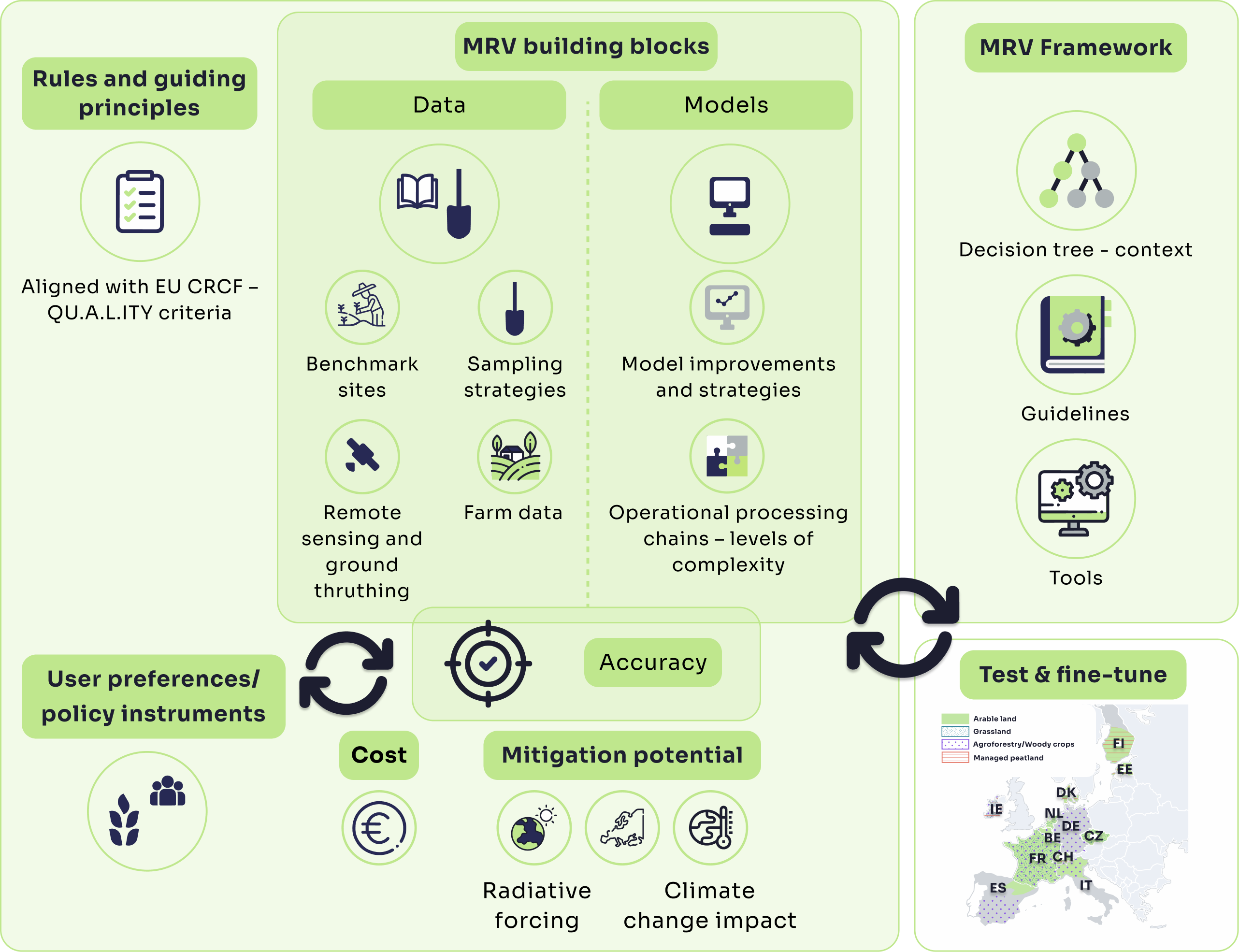
For achieving accurate yet cost-effective MRV systems with minimum administrative burden, MARVIC investigates how different building blocks of (farm) data, sampling strategies, benchmark sites, models and remote and proximal sensing technologies could efficiently be connected into operational processing chains (OPCs).
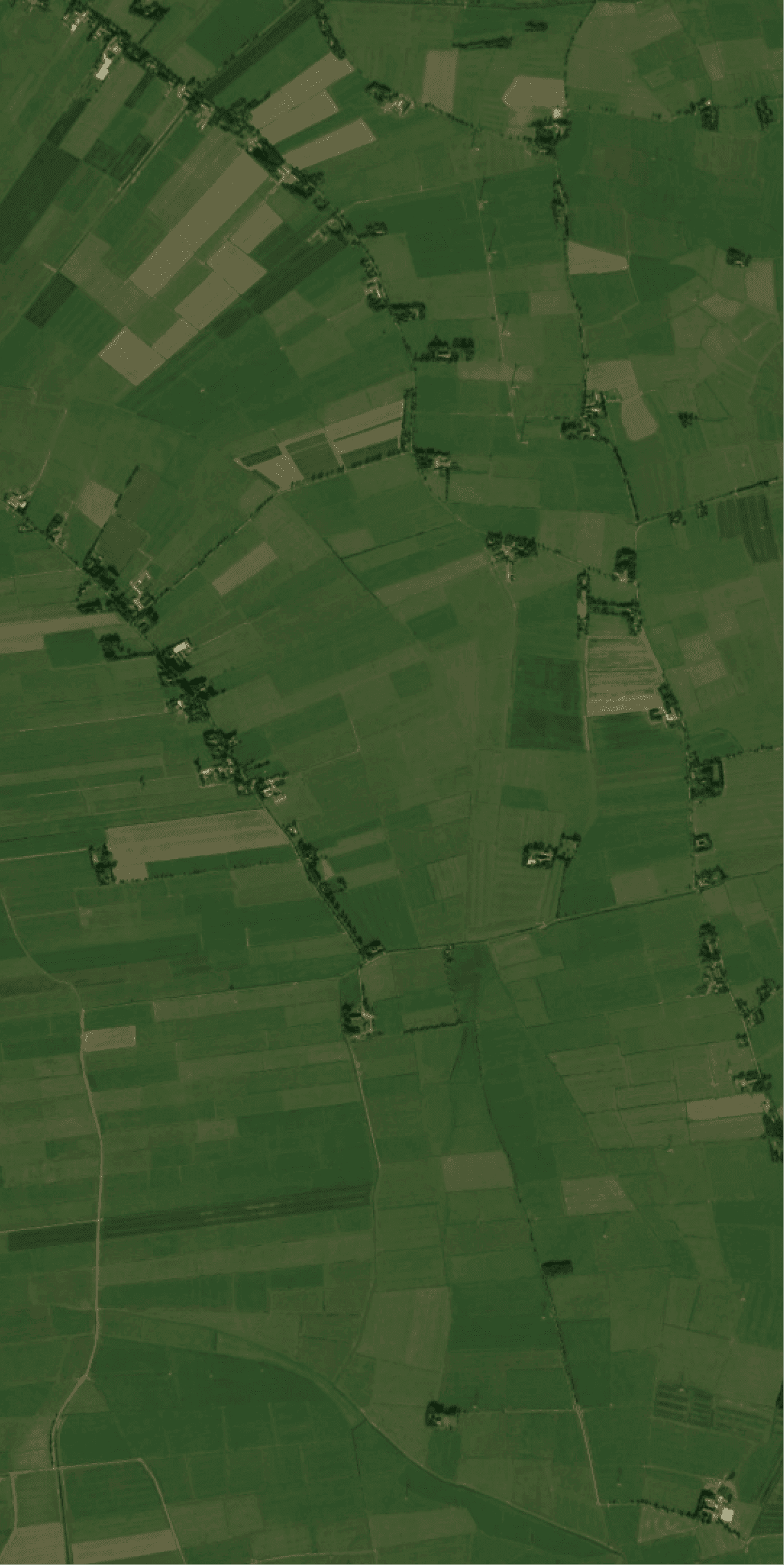
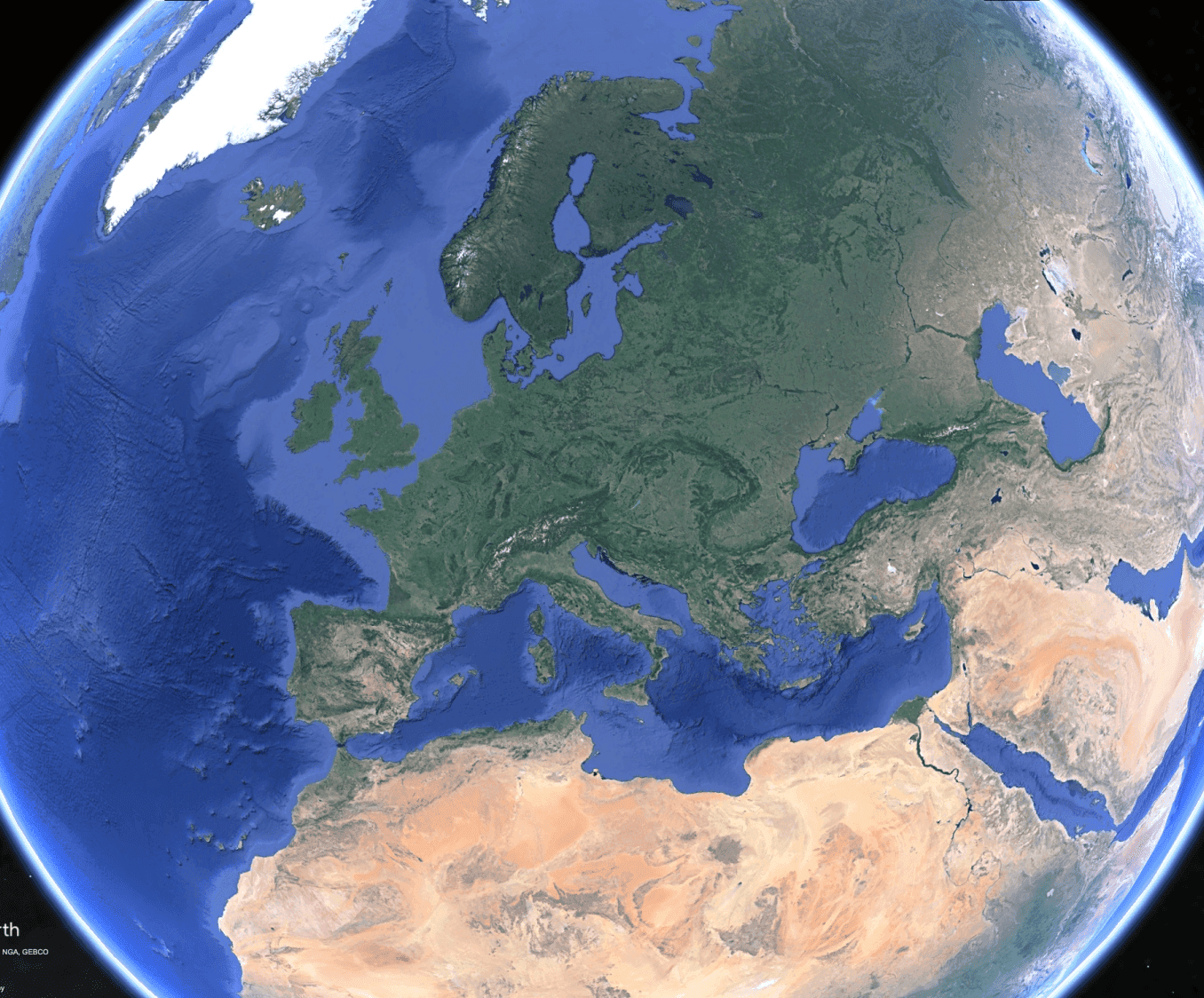
With our context-specific approach, we recognize that across Europe there is a large variability of farm types and land management activities, pedo-climatic conditions, data accessibility, existing data infrastructure and user needs, including desired geographical coverage. Therefore, MARVIC works with 26 test cases in 12 different countries to understand the impact of these different contexts on choices for MRV design.

Our main deliverable is the MARVIC MRV Framework that will provide a standardized approach to both public and private carbon framing scheme developers in Europe, to design an MRV system, specific for their context.

MRV Graphic

Discover our collaboration ecosystem

MRV4SOC logo
LinkedIn logoWebsite icon

MRV4SOC aims to develop accurate methods to monitor, report, and verify soil organic carbon and GHG balances, supporting carbon farming and sustainable soil management.

Credible logo
LinkedIn logoWebsite icon

Credible is a Horizon Europe project that aims to build momentum and trust for the implementation of carbon farming in the EU, creating consensus and addressing challenges related to the methodologies, standards, and monitoring approaches that could maximise its impact. The project works as a Network of Network bridging experts to answer multiple questions around carbon farming, while also organising the European Carbon Farming Summit yearly.

CAFAMORE logo
LinkedIn logoWebsite icon

CAFAMORE is a Horizon Europe project that aims to establish an EU-wide parcel-level monitoring system, a spatially explicit registry, and a robust marketplace for carbon farming in Europe. The project unites a multidisciplinary team with a common ambition: to accelerate the adoption of carbon farming in the EU by developing the digital infrastructure, tools, and knowledge needed for cost-effective Monitoring, Reporting, and Verification, building transparency and trust in carbon farming markets.

ORCaSa logo
LinkedIn logoWebsite icon

ORCaSa is a Coordination and Support Action dedicated to setting in place an independent International Research Consortium on soil carbon research now named Soil Carbon Futures. To reach this overall goal, ORCaSa brought together 6 European partners and 5 regional nodes covering the 5 continents (US, LAC, AFRICA, South East Asia, Australia and the Pacific) around an ambitious 3-year work plan, working hand in hand with the international community.

Soil Carbon Futures logo
LinkedIn logoWebsite icon

Soil Carbon Futures is an independent science driven international community sharing the same final objective: we all want to have an impact on Climate Change, Soil health and other environmental issues by increasing Soil Carbon Stocks. We support co-development of interdisciplinary research and innovation guided by stakeholder’s demand including topics like MRV. We share information in a transparent and open way through an interconnected Impact4Soil knowledge portal.

OGCR logo
LinkedIn logoWebsite icon

OGCR is an EU-wide initiative that will develop open-source ecosystems to empower land managers to measure and verify carbon fluxes and other ecosystem properties transparently and reliably using geospatial data. The project will also enable carbon communities to trade carbon removals in a fair, scientifically rigorous, and value-aligned manner with the EU’s Carbon Removals Certification Framework (CRCF).

BENCHMARKS logo
LinkedIn logoWebsite icon

BENCHMARKS is a Horizon Europe project supporting the operationalisation of soil health across Europe through user-centred, science-based monitoring approaches. The project works across scales – from farms and cooperatives to regions and ministries – to co-develop soil health indicators, benchmarks and MRV systems that are credible, comparable and usable in practice.

LILAS4SOILS logo
LinkedIn logoWebsite icon

LILAS4SOILS fosters Carbon Farming Practices through Living Labs in Mediterranean and Southern EU. Over five years, LILAS4SOILS will develop five Living Labs (LLs) across six countries, involving 24 expert partners, more than 80 farmers and 125 stakeholders. Through collaboration with farmers, researchers, industry and local authorities, LILAS4SOILS aims to accelerate the transition to healthy soils and contribute to standardized Monitoring, Reporting, and Verification (MRV) frameworks for future carbon markets.

The Carbon Farming MED project logo
LinkedIn logoWebsite icon

The Carbon Farming MED project aims to help Mediterranean countries meet the EU’s 2035 climate goals in agriculture. This initiative will establish the first cross-border platform in the region for trading carbon credits, promoting sustainable farming practices and economic opportunities. By enhancing carbon sequestration and supporting ecofriendly agriculture, the project advances climate neutrality and fosters regional cooperation in combating climate change.

Carbon Farming CE logo
LinkedIn logoWebsite icon

Carbon Farming CE is an Interreg CENTRAL EUROPE project that advances carbon farming across Central Europe by testing and promoting sustainable agricultural practices, innovative business models and monitoring tools that enhance soil carbon sequestration and reduce greenhouse gas emissions. Through transnational cooperation, it strengthens climate-smart farming and supports policy uptake in the region.

The FairCarboN PEPR program logo
LinkedIn logoWebsite icon

The FairCarboN PEPR program (2023-2029, M€40) aims to comprehensively mobilize the French scientific community studying carbon in continental ecosystems to clarify the potential contribution of continental ecosystems to climate change mitigation. The program has three main objectives: (1) to remove knowledge gaps on key processes governing the carbon cycle; (2) to develop a new generation of numerical models validated on open datasets; (3) to develop, test, and evaluate bioeconomy scenarios.

The Smart Carbon Farming project logo
LinkedIn logoWebsite icon

Many conventional farming practices degrade the very soil they depend on. Carbon farming offers a powerful alternative by rewarding practices that store carbon and reduce emissions while restoring soil health. The Smart Carbon Farming project connects partners across North West Europe to test monitoring solutions, align policy and research, and support farmers in leading this transition.