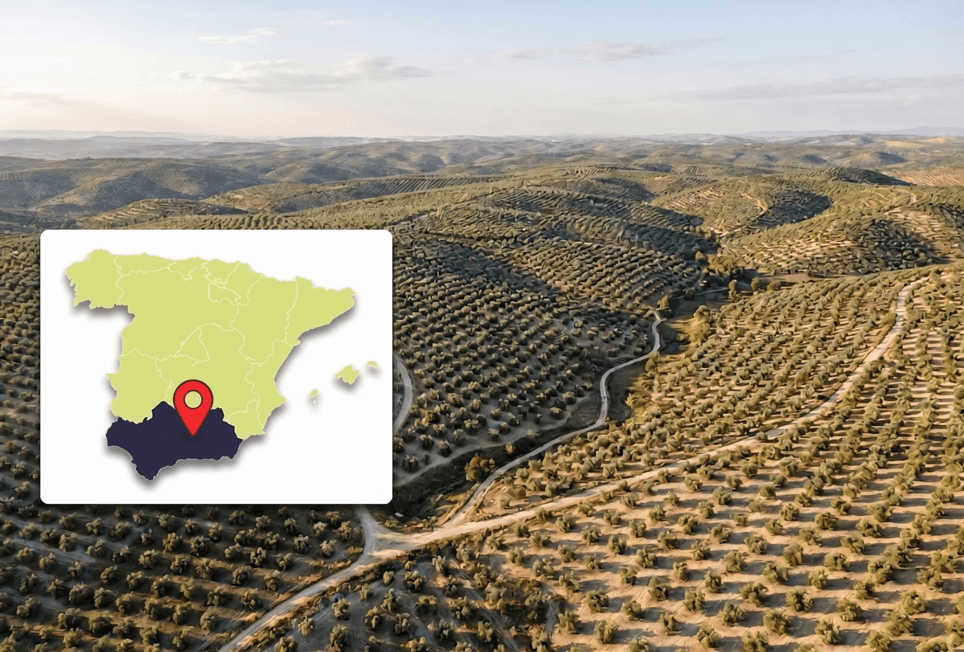
Olive trees are among the most widely cultivated woody crops worldwide and have long played a key historical role in the Mediterranean region. However, olive farming in many mountainous areas faces several environmental and socioeconomic challenges, from accelerated erosion, soil degradation and declining profitability to depopulation and land abandonment. These issues, aggravated by climate change and the high management and harvesting costs associated with steep terrains, weaken rural economies, increase environmental vulnerability and jeopardise the sustainability of family farms.
To tackle these challenges, a growing number of farmers and land managers are turning to organic production systems and regenerative agricultural practices, aiming to restore soil fertility, enhance water retention and strengthen farm resilience to climate variability. However, even though the positive potential effects of regenerative agriculture on soil health, ecosystem services and economic performance are well known, its impact on olive groves remains an underexplored topic. This is precisely the subject of an article written by MARVIC partners Milagros Torrús-Castillo and José A. Gómez (CSIC) and co-authors, recently published in the journal Soil Use and Management.
In their study, the authors experimentally assess the impact of regenerative practices on soil physical, chemical and biological properties and tree nutritional status in adjacent regenerative and conventional sites in a mountainous commercial olive grove in Southern Spain. Furthermore, the authors assess how regenerative management affects both ecosystem services and the economic performance of olive production systems..
After six years of implementing regenerative practices, the regenerative sites exhibited significant improvements in soil properties compared to conventional management, including increased soil organic matter, soil moisture and microbial populations. Ecosystem services were also enhanced by regenerative management, contributing to better carbon sequestration, climate and water regulation, erosion control, soil quality, landscape value, cultural heritage and connection with nature, among other benefits. Regenerative sites achieved higher gross and net balance income as well, showing that economic benefits are not incompatible with more climate-conscious soil management.
Overall, these findings demonstrate that regenerative agriculture improves soil functionality, promotes a wide range of ecosystem services and boosts economic returns, underscoring the value and potential of regenerative practices in olive groves. Follow this link to read the full article.