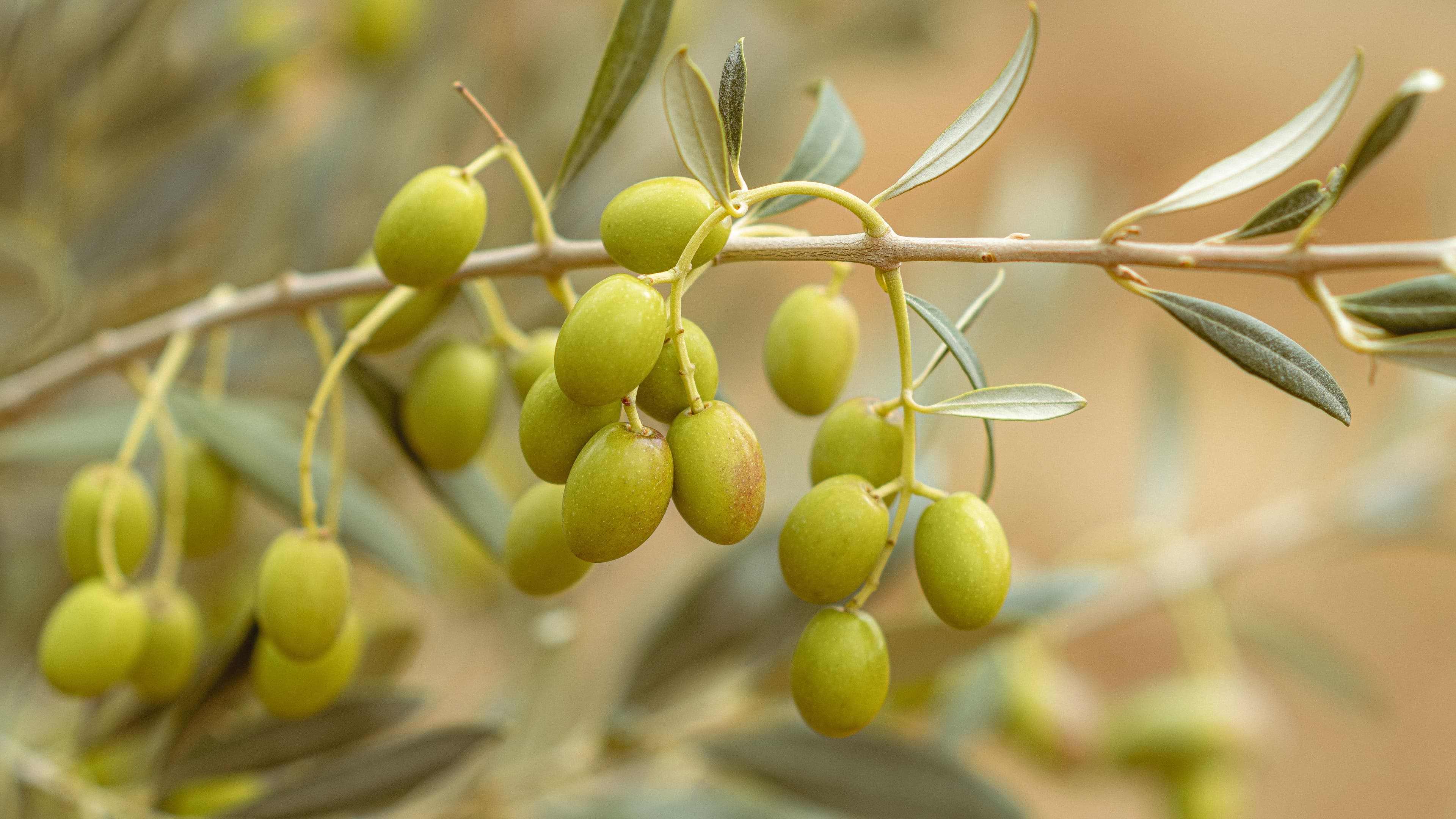
Accurately quantifying aboveground and belowground biomass and carbon accumulation in olive trees is essential for optimising agronomic management, modelling woody crop growth, and assessing their contribution to climate change mitigation. With around 11.3 million hectares of olive groves worldwide, mainly across the Mediterranean Basin, improving our understanding of carbon storage in olive production systems is becoming increasingly important as climate change intensifies and impacts on food security are already being observed.
Identifying cultivars better adapted to drought and rising temperatures, while reliably quantifying biomass accumulation and carbon storage, can help enhance both the productivity and resilience of olive groves and assess their potential as carbon sinks. A recent study by MARVIC partners Milagros Torrús-Castillo and José A. Gómez (CSIC) and colleagues, published in the journal Trees, compared biomass accumulation and carbon storage in the Arbosana and Picual cultivars, two of the most widely grown olive varieties in the Mediterranean.
The researchers developed both destructive and non-destructive methods to quantify above- and below-ground biomass and carbon content in 7.5-year-old trees in southern Spain. By excavating and analysing complete trees of both cultivars, they generated a rare dataset combining above- and below-ground biomass measurements. While destructive sampling captured cultivar differences more accurately, the non-destructive approach proved suitable for large-scale applications.
The results showed that Picual accumulated more biomass than Arbosana (36.5 vs. 27.5 kg per tree on average), with around 60% of root biomass concentrated within the top 25 cm of soil in both cultivars. Soil was the largest carbon reservoir, storing around five times more organic carbon than tree biomass. Annual carbon accumulation in olive biomass ranged from 1.7 to 2.2 t C ha⁻¹ yr⁻¹, consistent with values reported for Mediterranean agroecosystems.
Overall, the findings highlight the dual role of olive groves in supporting agricultural production while contributing to climate change mitigation. They also provide valuable evidence to inform cultivar selection and management practices aimed at enhancing carbon sequestration and the long-term sustainability of olive production systems. Follow this link to read the full article.