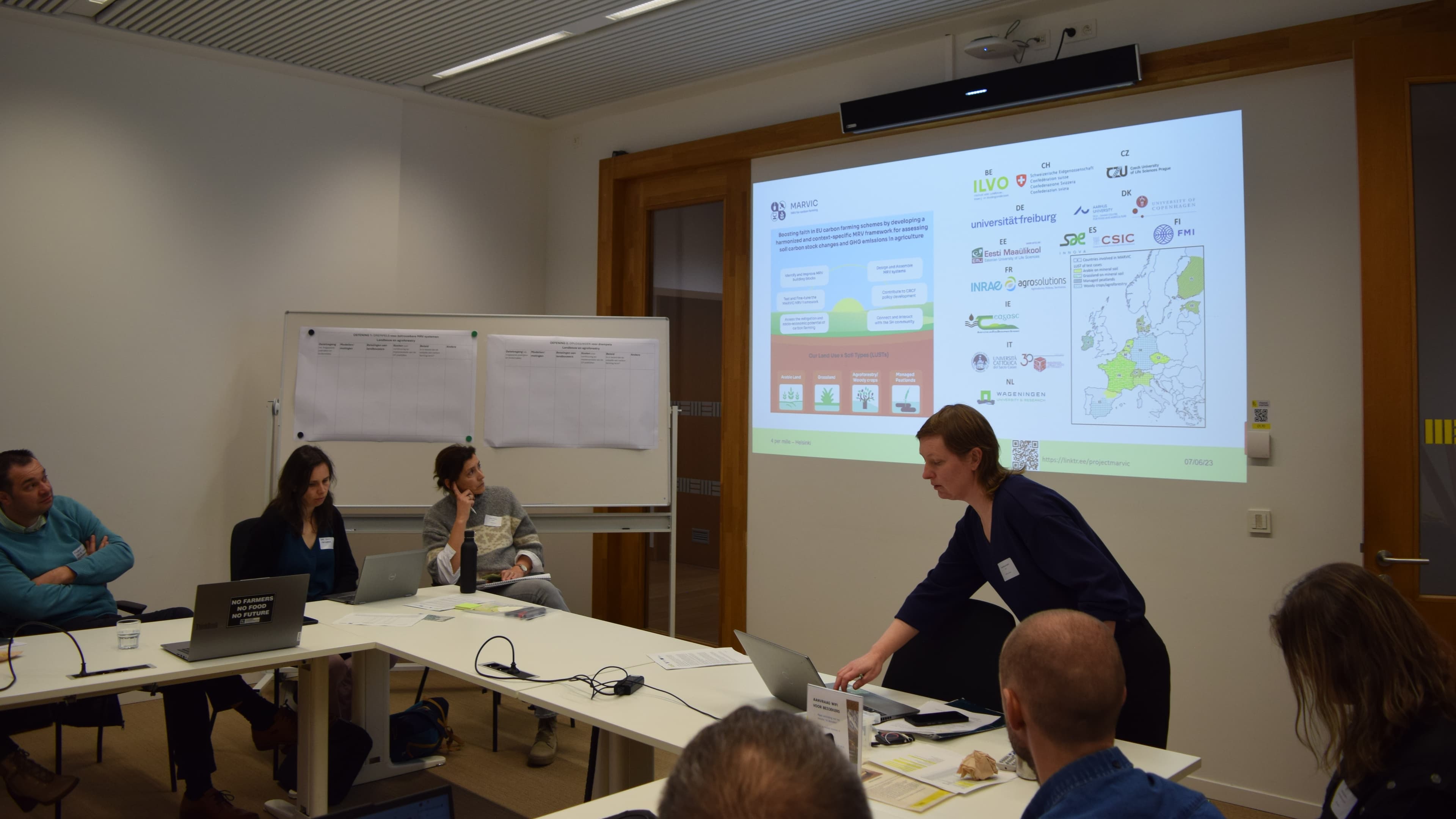
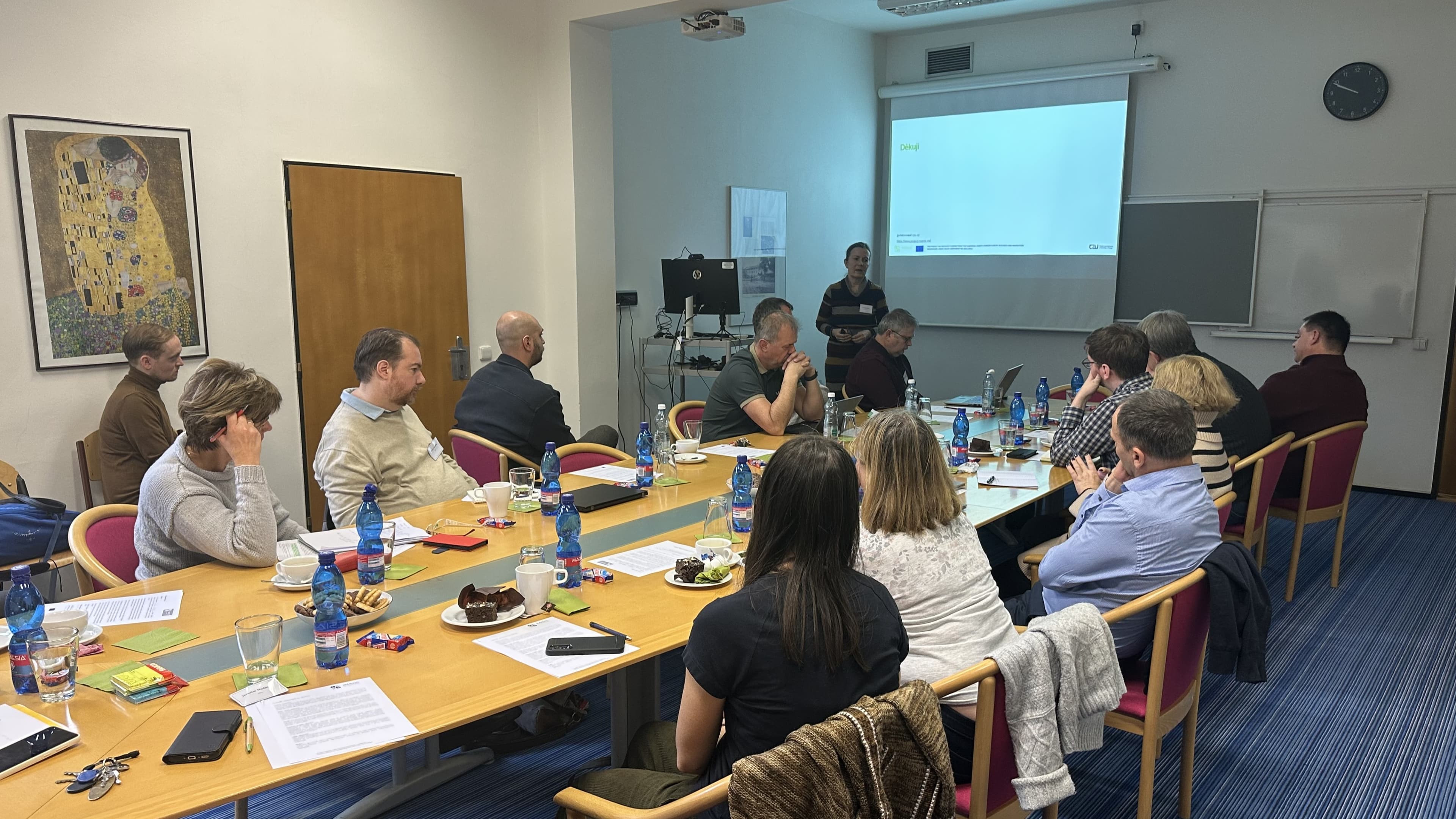
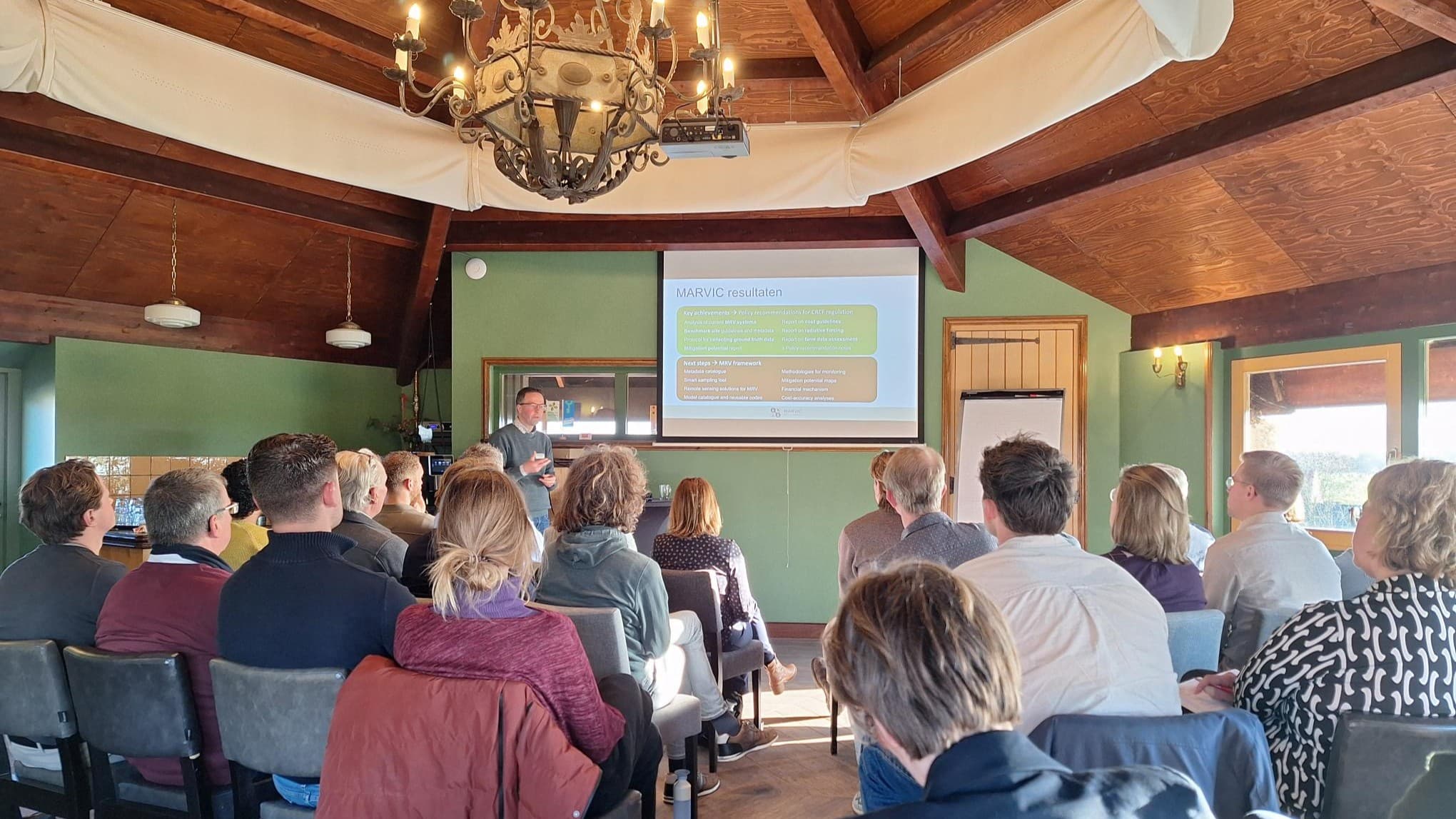
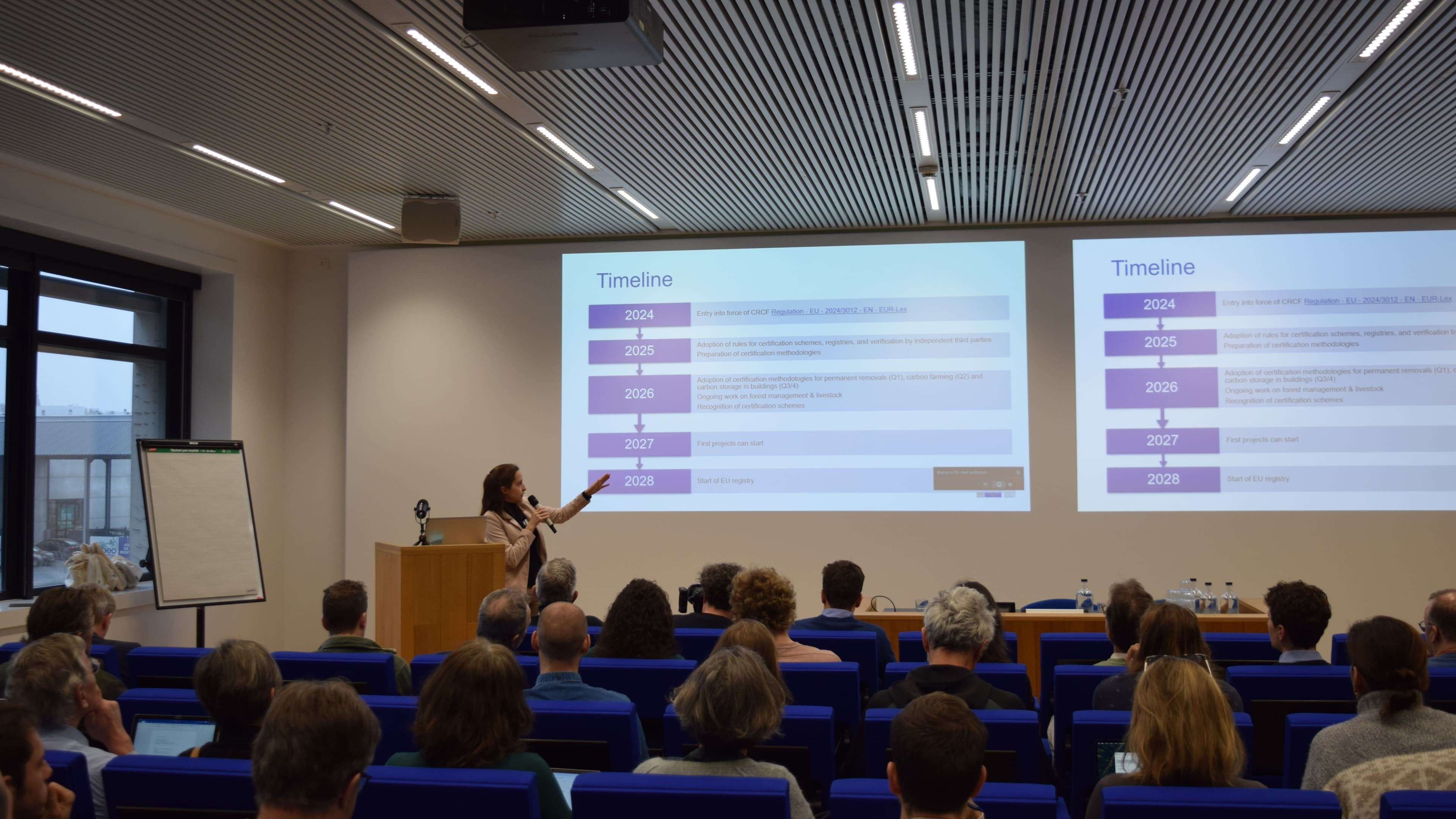
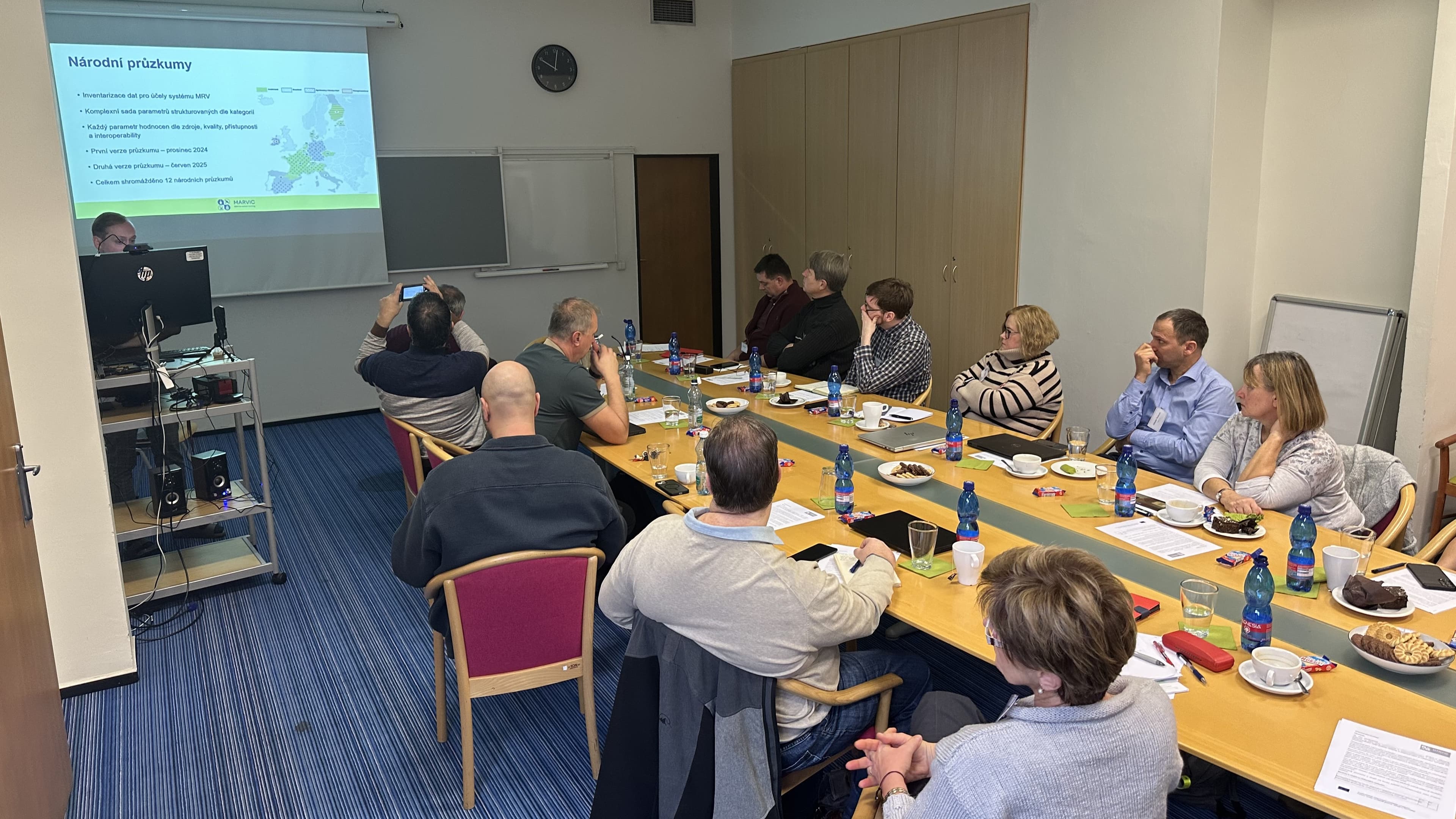
As part of the project’s efforts to assess stakeholders’ perspectives on trustworthy Monitoring, Reporting and Verification (MRV) design for carbon farming, and the enabling conditions for upscaling carbon farming initiatives from farm to regional level, MARVIC has recently completed a series of workshops in 11 countries. Led by Aarhus University and conducted by local partners in their own languages, these workshops aimed to generate comparable, country-level evidence on the perceived barriers and enablers of credible MRV systems.
The workshops targeted a balanced mix of stakeholders, including land users, policymakers, financial sector representatives, advisors, farmers' organisations, agro-industry actors, and NGOs with experience in carbon farming MRV systems. The discussions covered all MARVIC land uses and soil types, namely arable land, grassland, peatland, agroforestry and woody crops, according to each country's case studies.
The interactions with stakeholders yielded many insights into the barriers faced by different sectors, from measurement and monitoring to certification, payments and policy. For example, data quality, collection, ownership and access were identified as significant hurdles for monitoring, whereas scientific robustness (and its trade-off with practical feasibility) was highlighted as a crucial issue for confidence in measurements and models.
How farmers are paid was also one of the key topics discussed in the workshops. In this context, low compensation and high costs, unfair risk distribution, lack of buyers, unpredictability of payment timelines, and low attractiveness of results-based systems were signalled among the factors that discourage farmers’ participation in carbon farming schemes.
Moreover, the discussions underscored the importance of trust as a cross-cutting theme. Firstly, trust between actors is fundamental, f or instance between farmers and governments, certifiers and project developers, as it can reduce fear of penalties, failed contracts and economic unfairness. In addition, stakeholders’ trust in MRV systems, scientific outputs and policy stability are also key factors, fostering long-term commitment, credibility and transactions.
Overall, these workshops provide valuable insights into how the credibility of MRV systems can be achieved and improved, and into the role of trust as a binding force in stakeholder engagement. Some of these results fed one of MARVIC’s co-organised sessions at the last European Carbon Farming Summit, as you can read here. More details on stakeholders’ perspectives on carbon farming will be available in the coming months.